

Cook's Cookbook

V tomto seriálu vám přinášíme kombinaci životních lekcí a lekcí angličtiny ve velmi vyváženém poměru.

What Is Your Stress Response?

FIGHT. FLY. FREEZE. FAWN.

These subconscious responses prepare us to face, escape, or hide from danger. While these primal reactions were designed to protect us, in the workplace, they can sometimes create more problems than they solve. The instinct to “fight” causes arguments, the urge to “fly” leaves us with unresolved issues, “freezing” during a meeting makes us appear incompetent, and “fawning” can result in unsolicited persuasion. Understanding these responses is crucial for managing stress.

FIGHT

Many predators, such as lions, exhibit a “fight” response when threatened. They confront the danger head-on to protect themselves or their territory. Humans who tend to exhibit a “fight” response are often assertive and confrontational. They may thrive in competitive environments and are quick to defend themselves or their ideas in conflicts. While assertiveness can be valuable in leadership roles or negotiations, an excessive “fight” response can lead to aggression, conflict, and difficulty collaborating with others.

Individuals with a „fight“ response

  • Assertive
    They are often very assertive and do not hesitate to stand up for themselves.
  • Confrontational
    They confront challenges head-on and are not afraid of conflict.
  • Quick to Anger
    They may have a quick temper and easily become angry or aggressive.
  • Dominant
    They tend to take charge in situations and prefer to be in control.
  • Defensive
    They often react defensively to perceived threats or criticisms.
  • Competitive
    They are highly competitive and strive to be the best.
  • Protective
    They are fiercely protective of themselves and their loved ones.
  • Decisive
    They make decisions quickly and firmly, often without second-guessing.
  • Unyielding
    They can be stubborn and refuse to back down from their positions.

FREEZE

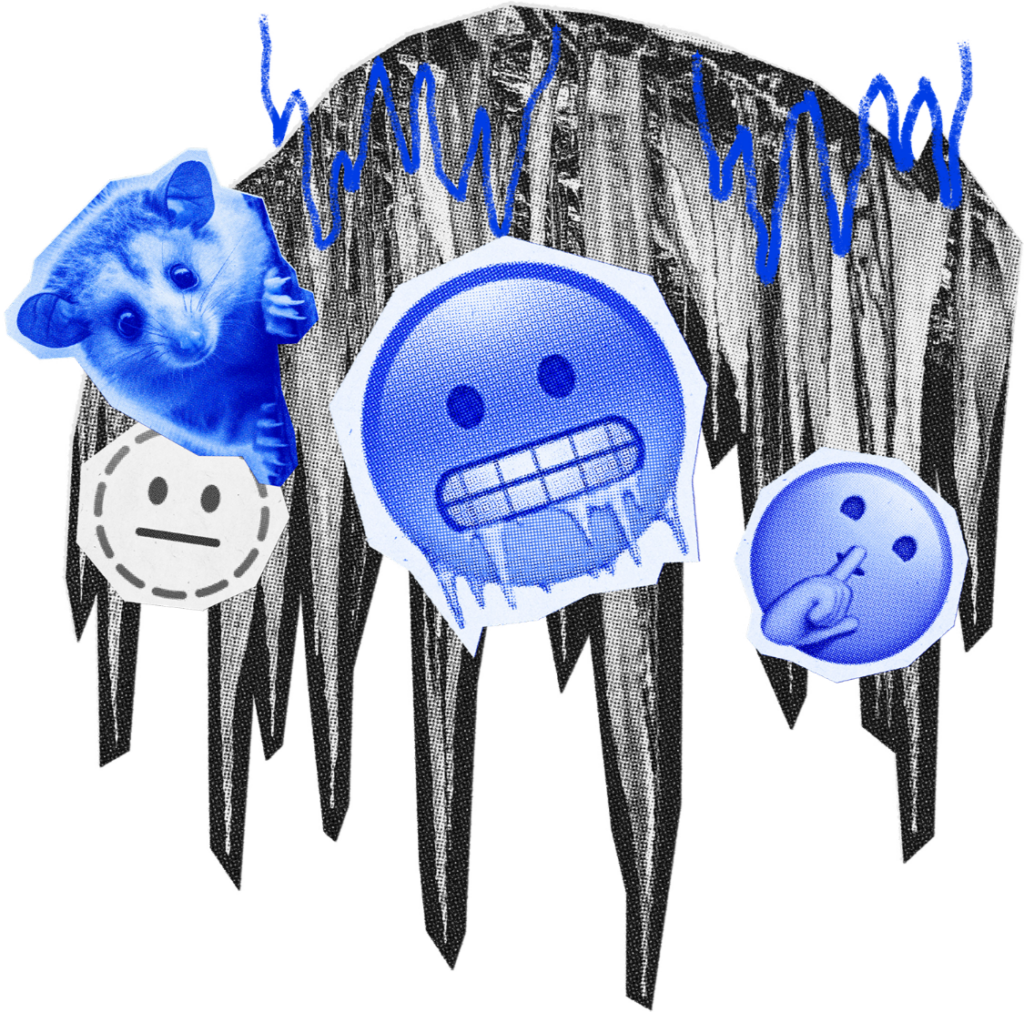
Some animals, like possums, instinctively freeze when they perceive a threat. This response can help them blend into their surroundings and avoid detection by predators. Humans exhibiting a “freeze” response may become immobilized or mentally stuck when faced with stress or danger. They may struggle to make decisions or take action, feeling overwhelmed or paralyzed by fear. In a professional setting, a frequent “freeze” response might manifest as indecisiveness, inability to innovate, or avoidance of responsibility, hindering productivity and progress.

Individuals with a „freeze“ response

  • Immobile
    They may feel paralyzed or unable to act in stressful situations.
  • Indecisive
    They struggle to make decisions, often feeling stuck or unsure.
  • Passive
    They may appear passive or detached, and avoid taking action.
  • Numb
    They can feel emotionally numb or detached from their surroundings.
  • Disassociated
    They might mentally “check out” or dissociate during stressful events.
  • Quiet
    They tend to stay silent, even when they have something important to say.
  • Overwhelmed
    They feel easily overwhelmed by stress or conflict.
  • Lacking Initiative
    They often wait for others to take the lead or make decisions.
  • Avoidant of Responsibility
    They might avoid taking on responsibilities to prevent stress.
  • Helpless
    They may feel helpless or powerless to change their situation.

FLY

Prey animals like deer often resort to fleeing when faced with danger. Their instinct is to escape swiftly to avoid being caught by predators. People who lean towards a “fly” response may be prone to avoidance behavior in stressful situations. They may prefer to steer clear of conflicts or difficult conversations and seek to remove themselves from uncomfortable environments. While seeking to avoid conflict can sometimes be beneficial, a habitual “fly” response might lead to missed opportunities, lack of accountability, and avoidance of necessary challenges.

Individuals with a „fly“ response

  • Avoidant
    They often avoid difficult situations or conflicts.
  • Escape-Oriented
    They seek to remove themselves from stressful or threatening environments.
  • Timid
    They may appear shy or timid, especially in social situations.
  • Indecisive
    They struggle to make decisions, often deferring to others.
  • Evasive
    They may give vague answers or avoid direct confrontation.
  • Distrustful
    They can be wary of others and their intentions.
  • Loners
    They may prefer solitude or a small, trusted circle of friends.
  • Anxious
    They often feel anxious in unfamiliar or uncomfortable situations.
  • Hypervigilant
    They are constantly on the lookout for potential threats.
  • Overwhelmed
    They can easily feel overwhelmed by stress or responsibilities.

Další články

  • Všechny příspěvky
  • Blog
  • Nezařazené
  • Novinky
Načíst více

Vše načteno